As we close out 2025, I want to share with you my top 5 favorite Interconnected posts from the past year. “Favorite”, for the purpose of this compilation, is defined as posts I learned the most from while writing them. They aren’t necessarily my most read or most popular posts. In fact, some of these are total “duds” from an engagement perspective, but I really enjoyed writing them because I learned a lot in the process.
Writing for me has always been a canvas to think, learn, and hone my thoughts more sharply. To stay true to this purpose, I tend to follow my own curiosities more than the trend, topic, or “vibes” of the day. This approach has definitely led to slower subscriber growth. I probably lost of a lot of readers along the way, when I started embracing a new thread of curiosity and writing posts that disappointed their expectations. For that I’m sorry!
There are more than enough newsletters out there that cater to a lane and a set of existing mental priors, in order to maximize subscriber growth, engagement, and revenue. It is a fantastic playbook for growth. It is not a great way to learn new things.
As the world becomes more and more interconnected in every shape or form, I opt for maximizing the learning of new things (and unlearning of old things). With that in mind, here are my top five favorite posts of 2025.
1. AI in the United Arab Emirates
Picking this post may be a case of recency bias, but I genuinely learned a ton from my recent trip to the UAE. Part of that is obviously my own ignorance; I have never been anywhere near the Middle East or the GCC region prior to the trip, so of course I would learn the most from visiting and writing about the region. But I think the growing prominence of that region, and the UAE in particular, will be an enduring theme for years to come, especially in the world of AI infrastructure and sovereign AI. Future posts will continue to feature learnings and anecdotes I gathered from this trip as the Middle East, being the “swing vote” of global AI competition, continues to punch above its weight.
 Kevin Xu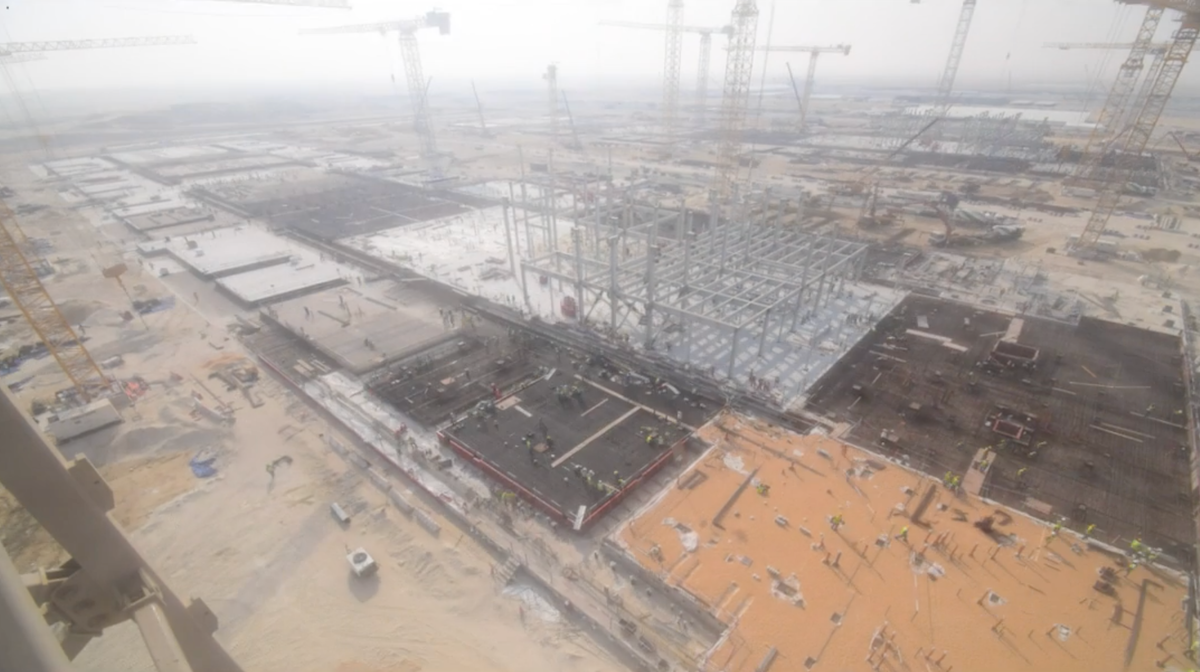
2. China's Structural Advantage in Open Source AI
Writing this post really helped me structure and systematize elements of China’s internet economy, education system, and innovation preferences that led to the rise in popularity and proliferation of Chinese open weight models. This rise was not random. It may have seemed random and idiosyncratic when the DeepSeek moment shocked the world in January 2025, so much so that even I thought DeepSeek was a one and done phenomenon, the steady stream of Qwen, Kimi, MiniMax and Z.ai models lend evidence to these structural advantages. Cheers to updating my priors and doing some unlearning along the way!
 Kevin Xu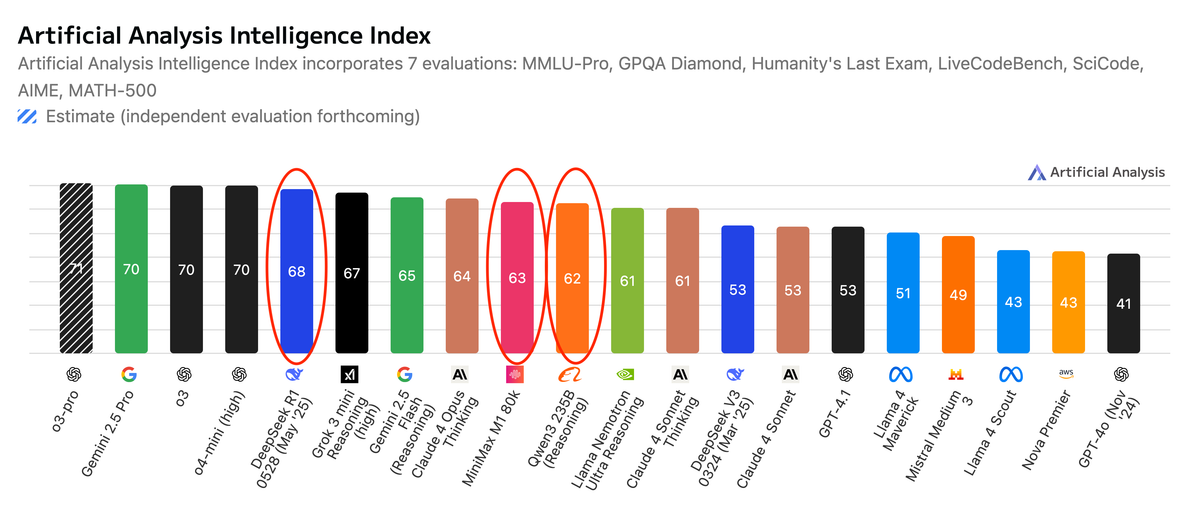
3. CoreWeave vs Nebius
This post took me out of my comfort zone, publishing something that looks more like your typical long-tail finance or stock-pumping newsletter content, on the eve of CoreWeave’s IPO, which was at the time the first major listing of the year. But the work and analysis that went into this post is actually what I do on a daily basis as an investor running my own fund (Interconnected Capital). I just have a general rule to not publish that kind of work, because it will ruin the “learning” ethos of my newsletter and start slipping into the all-so-tempting “promoting” trap. Collaborating with Howe Wang, who is much more literate in CoreWeave’s many layers of debt, then combining that knowledge with the story of Nebius, which is one of the most fascinating outcomes of present-day geopolitical conflicts, made this post more in line with what the Interconnected newsletter is all about. (Did you know, due to US financial sanctions on Russia after the Ukraine-Russia war, Yandex’s forced sale that produced Nebius was settled in RMB? Crazy right?)
 Kevin Xu
4. Forward Deployed Engineer: the Job that Makes AI Real
As a former operator working inside tech companies like GitHub, I love learning about the nitty-gritties of how technologies get implemented inside companies, especially large enterprises. It is the kind of knowledge that rarely makes a good story (or newsletter topic), because implementation details will never be as sexy as soaring narratives or grand visions. Yet, those details can make or break those narratives or visions if poorly understood or appreciated. The role that Forward Deployed Engineers play in the adoption of AI in enterprise is a classic example. Collaborating with David Huang to write this post, who was a real life FDE at Palantir, makes the learning curve extra steep and extra rewarding.
 Kevin Xu
5. Q2 2025 Update: Equanimity Investing
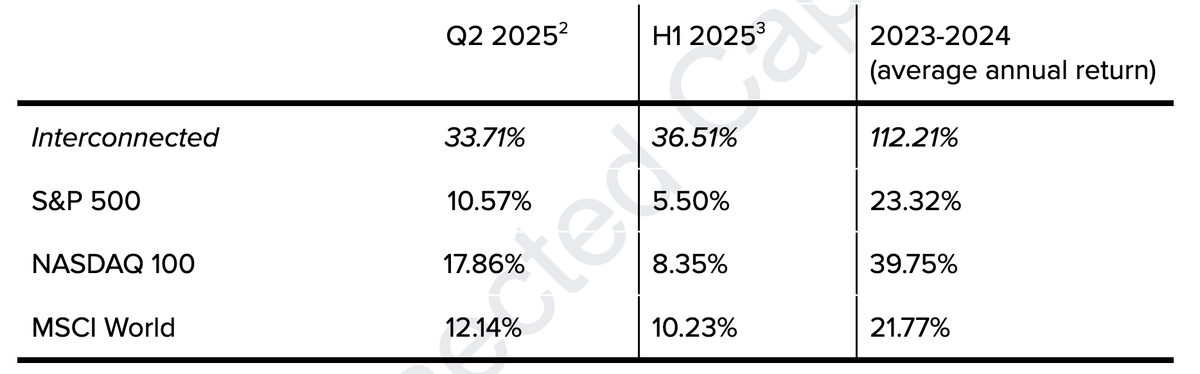
Surviving the trials and tribulations of Liberation Day was perhaps the most defining period for any professional investors last year. Thinking back, writing this Q2 update letter to my investors was a cathartic moment of reflection, arriving at the theme of "equanimity investing” that I know I will carry with me throughout my (hopefully very long) career in investing. Equanimity is easy to say (or maybe not that easy, try saying it out loud 3 times!), but extremely hard to do in extraordinary moments of volatility and confusion. It is a luxury that only thoughtful capital allocation and solid risk management can afford you. Writing about it, and continuing to reflect on it for years to come, is what I will do to keep that luxury always within my reach.
 Kevin Xu